Check out this new release”Don’t Let Me Drown“ by Andy Siege (Other Worlds Ink Tour and excerpt)

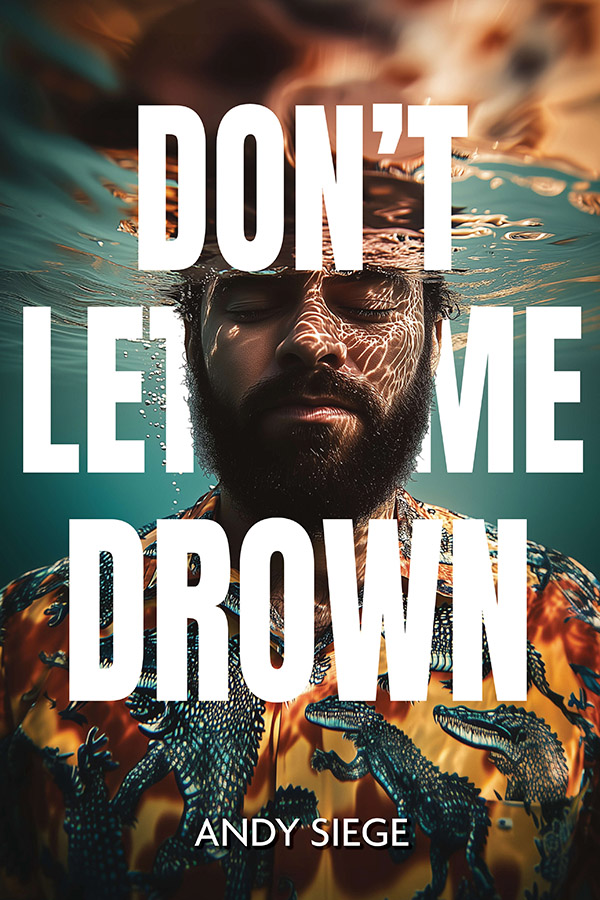
Don't Let Me Drown - Andy Siege

Andy Siege has a new queer magical realism romance out (bi male, intersex female): Don’t Let Me Drown.

Traumatised by his experiences as a war photographer, Aaron is drowning in guilt and tranquilisers. On a new assignment to document the civil conflict in the African country of Miberia, he is paralysed by the belief that terrible things only happen so that he can capture them on camera.

When he meets Mary, a young woman in danger because she is intersex, he’s convinced that if he can just save her, it will redeem him for all the other deaths he’s witnessed.

So begins a race to the border, one step ahead of the rebel army. But as love grows between them and the country is submerged in innocent blood, Aaron comes to understand that he’s not saving Mary. She’s saving him.

Amidst the horrors of war, can Aaron rediscover hope?

Warnings: Violence, Drug Abuse, Depression, Explicit Sex

About the Series:

Unusual stories about racially diverse, neurodivergent characters of marginalised orientations and gender alignments. Enter bizarre, thought-provoking new worlds in these speculative novellas that explore deeply relevant themes in an irreverent way.

These are stand-alone novellas and can be read in any order.

Get It On Amazon


Excerpt

CHAPTER ONE

I’m chilling at the bottom of a swimming pool. Being down here, deep underwater, feels amazing. I can’t hold my breath forever though. I wish I could, or that maybe I would drown. Unfortunately, that’s not how human beings work, and eventually my stupid survival instincts will force me to resurface.

Did you know that crocodiles can hold their breath for up to an hour?

I’m behaving like an idiot and I should be embarrassed. I’m an adult and I need to get out and get dressed. I have responsibilities and a job to do. I’m an award-winning photographer, for fuck’s sake. I worked hard to get where I am.

I haven’t taken a photograph since Greece. The last picture I took was of a drowned toddler in a Mickey Mouse T-shirt, curled up on the beach with shallow waves lapping at his little body. The boy and his entire family tried to come over to Europe by motorboat, but a storm flipped them over and they all died. The toddler’s father, mother, and two sisters lay washed up further down the sandbank, with bloated bellies and wide-open eyes.

The Aegean Sea is beautiful at sunrise. I must have taken a thousand photographs with my most expensive Ceica Camera, but only that one specific picture was broadcast around the world. You’ve probably seen it in a newspaper or on TV. In the photograph, the little boy in the Mickey Mouse shirt looks like he’s sleeping, except that his lips are just a bit too blue, and his face is too relaxed. Also, a child wouldn’t be sleeping right in the surf as the sun rises over the Aegean.

My lungs start to burn and there is a kind of pressure building inside my brain, pushing me to resurface out of the swimming pool. I manage to hold my breath for a few more seconds while I rise, and then I pop my head out of the water and gasp.

Soft reggae tunes float through the air, and I smell curry and wood smoke from the buffet by the bar. I’m alone at the pool, apart from one high-class prostitute who is reclining in a pool chair, sipping water through a straw.

The African country of Miberia is at war, so the Western tourists and professionals have all left the country. The only foreigners still here are diplomats, weapons dealers, and journalists like me. I’m staying at the Crystal Hotel, which is a Chinese style high rise, painted blue and with bluish window glass. Even though it’s almost happy hour, and the buffet is extravagant, there’s no one at the bar. I arrived this morning, and the only other guests I saw at lunch were a pair of sketchy looking Asian businessmen.

I was supposed to take a taxi to the outskirts of the city today, to start photographing refugees, but I didn’t. The problem I have right now is a complex state of artistic paralysis. I haven’t taken a picture in many months. You see, people think that I’m good at taking photographs, but the truth is that every good picture I’ve ever taken mystifies me. When I got that major award for the picture of the drowned toddler, I pretended to know what I did to deserve it. But actually, I don’t know what I did, and I fear that I’ll never take a picture that good ever again.

I swim to the edge of the pool and then hoist myself up and out. I have a towel and a papaya vodka cocktail waiting for me on a rickety iron table. I dry myself off and down the drink, while doing a casual sweep of my surroundings. The walls around the hotel courtyard are tall and topped with razor wire. I wonder if they added the razor wire because of the war outside or if it has always been there. I hear a gunshot off in the distance. Somewhere in the city, someone may have just lost their life, and I wasn’t there to take the picture.

I believe in fate. I believe that things happen for a reason. But that poses an ethical problem. You see, I’m a war photographer, so when I take a picture of something horrible, I ask myself if that horrible thing happened just so that I could take a picture of it. Do you follow? I ask myself if the act of me taking a photograph caused the drowning of that little boy in the Mickey Mouse shirt. The obvious answer is no, but hear me out. That little boy’s death, together with my camera, sparked a global conversation about refugees. Fate?

The high-class prostitute on the other side of the pool just winked at me. I don’t find her particularly sexy. I haven’t found anyone sexy in a long time, actually. My libido seems to have died with that toddler in Greece. I can still appreciate the aesthetics of a beautiful person, healthy skin, good teeth, an outgoing personality, but I just can’t get a boner anymore. I shake my head at the prostitute so that she gets it.

There’s a war going on in Miberia. A complex, brutal, bloody beast of a war, and I’m here to take pictures. So now I ask myself, does my presence here mean that bad things will happen just so that I can photograph them? If that’s true, then it might be better if I just stay at the Crystal Hotel, if I don’t venture out into the city, out into the countryside where entire villages are getting butchered. Maybe my presence out there will cause more atrocities to happen. That’s a crippling thought.

I make my way over to the buffet by the bar. There’s roasted chicken and rice that smells like curry and cinnamon. I load my plate with the exotic food and take a seat at a small table. The chow is delicious, probably because the ingredients are much fresher than anything from the supermarket back in Canada. I feel a little shitty though, because I know that while I’m pigging out, about thirty percent of the population of Miberia is starving. There isn’t anything I can do about that, of course, plus I’m hungry.

The two Asian businessmen who I saw at lunch come in through the gate. They’re tall, with unremarkable haircuts, intelligent eyes, and pot bellies. I wonder what category of war profiteer they fall under. Are they weapons salesmen, diplomats, military advisors, diamond miners? They both nod at me, although they don’t smile. I spent some time in the Ukraine during the Russian invasion and I noticed that men who mean business don’t smile a lot.

I’m actually a quarter black, although I pass as white. Most people think I’m Greek or Italian on account of my black hair and slight natural tan. The truth is, though, that my granddad on my mom’s side was Miberian. That’s one of the reasons why I took this assignment. I wanted to get to know the country that my ancestors are from. I even know the name of my tribe, the Mzuru, who live in the northern jungles of Miberia. I don’t know a lot about them, except that they worship crocodiles and have six fingers on their left hands. So do I.

The medical term for this condition is “polydactyly”, which means “many fingers” in Greek. Most people who have this condition can’t use the extra finger because it doesn’t have bones in it, but mine is fully functional. It’s located on the little finger side of the hand and it even helps me complete some tasks better than normal people can. For example, I can switch the settings on my camera faster than other photographers are able to.

I won’t be able to visit the tribe, of course, because of the war. I would love to hug a long-lost relative right now. When I said earlier that I can’t get a boner, I didn’t mean that I’m completely adverse to affection. I do sometimes wish for physical contact, actually I don’t think any human being can exist without it. They did a study with orphans in Romania who were starved of hugs, cuddles, kisses, etc. Those children became sick and died. So yeah, I too feel like getting a backrub or a peck on the forehead from time to time. Today is one of those days where I wouldn’t mind some affection. Paying a prostitute isn’t my style, and the Asian businessmen at the bar are probably too homophobic to cuddle with me.

Actually, homosexuality is illegal in the government-run parts of Miberia, so I’ve got to be a little careful. If I do meet someone to share warmth with, it has got to be a woman. You can literally go to jail here if you are found to be gay. Horrible? Certainly, and it gets worse… you see, in Miberia, you can go to jail if you support gay rights, even if you are straight. That means that there is practically no way for things to get better, because even allies are too afraid to say anything. Whatever, maybe once the war is over, things will change.

The high-class prostitute by the pool is the only female at the hotel, and I’m not going to pay someone for love. I guess I’ll have to toughen up and be alone tonight. As I’m thinking this I hear a burst of machine gun fire out in the city. Did someone just die for no reason? Was I supposed to be there to photograph what happened? Should I have been there to give meaning to the loss of life? Or did the bullets miss their mark because I wasn’t there? Did I save a life by refusing to engage with the bloodshed?


Author Bio
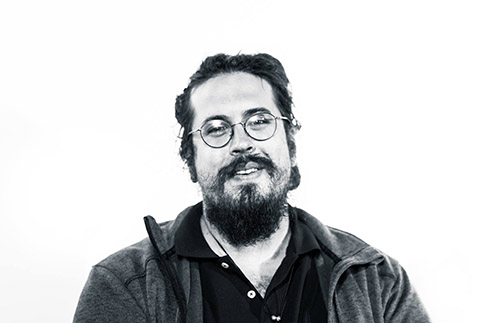
Andy Siege

Andy Siege born as Andreas Madjid Siege in Kenya in 1985 is an award winning film director and author. He is a POC, neurologically diverse, and queer. He has published 11 novels/novellas, and his debut feature film “Beti and Amare” which he wrote and directed was nominated for multiple high profile international film awards. He has a BA in Creative Writing and an MA in Political Science.

Author Facebook (Personal): https://www.facebook.com/andreas.siege

Author Instagram: https://www.instagram.com/andysiege/

Author Goodreads: https://www.goodreads.com/author/show/25963464.Andy_Siege

Author Amazon: https://www.amazon.com/stores/author/B08P1XL2DV

Other Worlds Ink logo

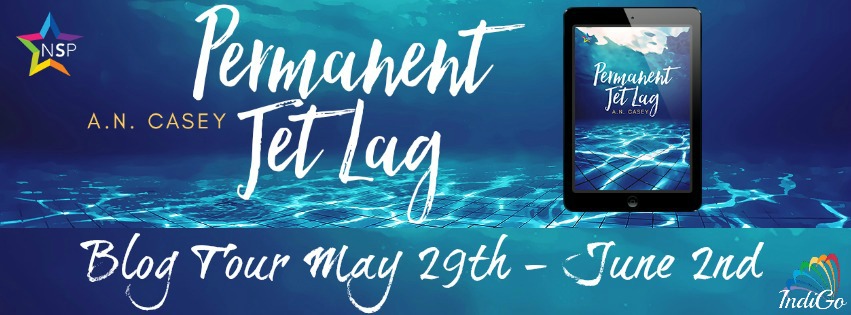
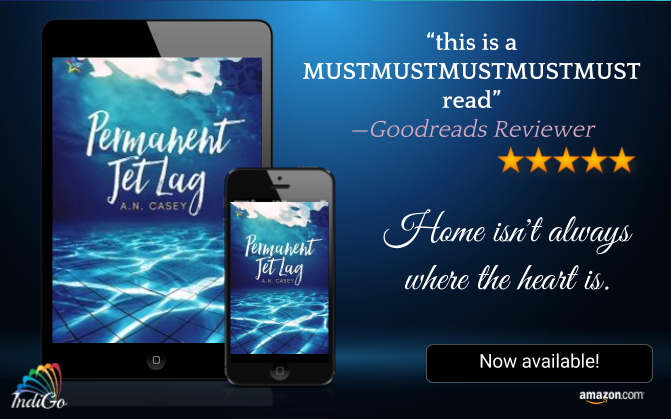
Blog Tour and Giveaway for Permanent Jet Lag by A.N. Casey (author interview and excerpt)

Title:  Permanent Jet Lag

Author: A.N. Casey

Publisher:  NineStar Press

Release Date: May 29, 2017

Heat Level: 1 – No Sex

Pairing: No Romance

Length: 87000

Genre: Contemporary, literary, Student, family, coming of age, alcohol use, illness/disease, tear-jerker

Add to Goodreads


~Scattered Thoughts and Rogue Words Interview with A.N. Casey~


What’s the one thing, you can’t live without?

I’d say my water bottle because I have that thing with me constantly and get very moody when thirsty. Like Hangry but Thangry maybe? Plus, bonus: it gives me something to do with my hands, and as a fidgety anxious person, having something to hold onto during conversations—especially lulls in conversation—keeps me calm. 

What internet site do you surf to the most?

Tumblr. I have a blog there where I work with other writers to help out on new projects and answers questions (ancwritingresources.tumblr.com) and also have a couple writing blogs that just serve as a good creative outlet (and an excuse to put off writing the stuff I’m supposed to be writing).

If you had your own talk show, who would your first three author guests be and why?

The easy one that is probably over said is J.K. Rowling because I’d like to ask what it feels like to have seen your story not only turned into a movie but a theme park; what’s it like knowing that nearly everyone in the world has heard of your character even if they haven’t read your book. Malinda Lo because I’d want to ask her about Ash, about recreating this story everyone knows—Cinderella—in a brand new way and just congratulate her on what a good book that was. I mean, that’s my dream, moving forward, to begin to tell these stories that “old as time” but with the LGBT representation we deserve. And for the same reason, my third guest would be Madeline Miller. The Song of Achilles was a real game changer for me, so many of my favorite things—LGBT YA novels meets Greek mythology—all put together in such a beautiful way. And she’s not even a novelist by trade! I’d want to ask her what it was like to write that book and just get to learn more about that process.

When you got your very first manuscript acceptance letter, what was your initial reaction and who was the first person you told?

My reaction was disbelief, without a doubt. There comes a point after countless rejections when you just get used to it; without feeling, you read the nice form letter and move on with your day. So when I got a letter back, I assumed it was more of the same. I had to read it over three times to realize it said “yes” and not “no.” I told my best friend first, and then about 48 hours later, I actually got excited when I fully realized it was real.


Synopsis

Nineteen-year-old Lucas Burke prefers being alone. He likes the silence, and he loves not having to care about anyone else’s problems: the less he’s forced to feel, the better. But after a year of college-induced isolation from everyone he used to know, the wedding of a former classmate sends Lucas back home, and that means reconciling with a group of friends that now might as well be strangers.

His sister hardly knows him, his “genius” best friend is nothing more than an addict, and his ex-boyfriend is still in a coma. All the while, wedding preparations send Lucas head first into a relationship with the groom’s best man—a recently cancer-free ex-Olympian who can’t stop talking.

Lucas knows that if he wants to survive the summer, he’ll have to learn to be a friend again, but it doesn’t come easy, and it might already be too late.

Excerpt

Permanent Jet Lag
A.N. Casey © 2017
All Rights Reserved

Chapter One

96 Days Before

On the last day of my freshman year of college, my parents—dressed head to toe in the obnoxious green and gold colors of my school—arrived on the threshold of my dorm room with five extra-large boxes for packing, a tin of mom-baked chocolate chip cookies to cure my assumed “home sick blues,” and two snippets of hometown gossip for my ears only. When you leave home for college, there’s a certain assumption that says you will learn to be independent. You do your own laundry, you buy your own meals, and your parents never come knocking on your door to ask if you’ve done your homework or to ground you for coming home past curfew. You’re alone—blissfully independent and free.

My mother had other ideas. Ideas that filled the voicemail on my cell phone until I could no longer receive friends’ missed calls. Ideas that left a pile of cookie tins in the corner of the room and a dozen more care packages under the bed. Even now, as I finished the bulk of my packing, a poorly knit mom-made sweater hung limp over the side of the latest care package, threads unraveling and fraying in every direction with a note pinned to its sleeve with words I could not remember—words I likely never read.

My roommate sat on the other side of the room upon his stripped-down bed, munching away at the first cookie handed to him. He wore a thick pair of headphones that flattened his usually unruly brown hair. Though the cord was not connected to anything, my mother seemed pleased with this sense of security and began her “top secret” gossip. As though my roommate would care at all about the small-town news of Franklin Creek, California.

“Rylie Graham is getting married!” she squealed. Despite her rising age, my mother’s face still lit up with all the excitement and energy of the young woman I could just barely remember from the photographs on the walls at home. Today, my mother was plump and nearly always flushed in her cheeks. The freckles on her nose were faded underneath a splotchy tan that extended only to the bottom of her neck, and her clothes, though neatly pressed, still appeared crumpled by her slouch and the endless movement of her limbs. She went on and on about the wedding, the beautiful invitations, and the color schemes she hoped they’d use, how she could still remember Rylie as a baby, crawling around at the neighborhood block parties.

I was already aware of this news, of course. The invitation had arrived in the mail two days ago, vividly pink with a handful of red hearts and almost a dozen purple and green flowers decorating the edges. Unless the groom was a botanist, there was no inkling of his presence in the design. To top it off, at the very bottom of the paper, beneath the RSVP notification, was a dried crimson lipstick mark. Nine months since I’d seen her, and I could still vividly imagine Rylie prepping her mouth with that darkened color she had so adored in high school and kissing each invitation one by one.

The invitation was now crumpled up in my suitcase with the rest of my belongings, but the image of it had not left my mind for a second.

“Isn’t it great, Lucas?” my mother asked, and I nodded. “She’ll look so beautiful as a bride.” Another nod. “Just wait until you meet the groom. What a charming young man.” At this, I fidgeted with the zipper on my luggage and forced a smile.

My father, lounging lazily upon my still-sheeted bed, gave me a knowing smile over the top of his third cookie. My mother promptly smacked it out of his hand.

“That’s enough, Tim. Didn’t you hear a word the doctors said? I think one heart attack is quite enough for one year, don’t you?”

“I thought two would make a more interesting story at this year’s Christmas party,” my father replied, grinning.

And so began an argument that lasted through the remainder of my packing, the long trek downstairs, and into the oversized van waiting for us in the parking lot. It continued as my father stabbed the key into the ignition, as my mother pulled on her seat belt, and as I peered through the window and watched San Francisco—all its big buildings and bustling bridges—disappear into the night.

By the time we pulled into the driveway of my childhood home, my parents were just progressing toward the makeup phase of their disagreement, or, as I’d dubbed it over the years, the honeymoon period. They sat, arms tangled in the front seat, kissing and whispering loving platitudes into each other’s mouths with such nauseating enthusiasm that sitting through it was quite like staring at the sun: tolerance came in small doses. I left the car and dragged my luggage up the porch steps alone.

I had come home exactly twice since leaving for college, once for spring break and once after my father’s heart attack, and I was greeted the same each time. Homecoming generally went like this: my oldest sister, now sixteen, would nod her head in my direction over the top of her cell phone, give me a hug if I came close enough, and then resume her texting. My brothers, identical in all but their clothing, would rush in for the tackle. And my youngest sister would wave from the couch—a simple twist of her hand—and then return to her TV show. Today it was an old rerun about a teenage spy, and because the theme song was particularly catchy, the wave was even shorter than normal, barely a twitch of her fingertips.

I disappeared into my room.

From the window of my dorm room in the mornings, I could see the wide expanse of the San Francisco landscape for miles, a hundred buildings huddled together against the fading fog, life bustling below. From the window of my hometown bedroom, I could see the neighbor’s pool. A thoroughly unexciting, lifeless pool. As summer had not technically begun, the water that would soon promise endless good times and relief from the heat was still currently abandoned. A heavy pile of leaves covered much of the surface, but through the spaces between, I could make out a glimpse of the water—a murky, untouched green.

Rylie called at half past eleven while I was cleaning the windowsill for the second time. Her voice was shrill and rushed as she screamed into my ear, “Why didn’t you tell me you were home? I had to hear it from my mom, who heard it from your mom, and I feel like I’m in a weird stupid sitcom, because I’m not supposed to be hearing gossip from your mother, Lucas. You’re supposed to tell your friends when you come home. Clay is pissed.”

As she spoke, I tucked the phone between my shoulder and ear. Downstairs, my mom was yelling at the twins, and Dad was swearing about the score of a baseball game. I retreated farther into my room and closed the door.

“Sorry,” I said.

“Sorry?” Rylie let out a long, exasperated sigh, and I thought I could hear her nails tapping against the back of her phone. “Will you meet me somewhere? I haven’t seen you in ages, and everyone misses you. Please?”

“Okay.”

“Is this how this is going to be now? One-worded conversations?”

“Probably.”

Rylie laughed, a deep, chest-rattling sort of sound that in no way matched the high, squeaky pitch of her voice. It was for reasons like this I’d stopped trying to understand her in the third grade.

“You’re an ass, Lucas. Meet me at the flower shop across from the grocery store, okay? Ten minutes, don’t be late. Oh, and Todney is going to be there. I can’t wait for you to meet him. Don’t be late.”

“We have a grocery store?”

“Goodbye, Lucas.”

Purchase

NineStar Press | Amazon | Smashwords | Barnes & Noble | Kobo

Meet the Author

A.N. Casey is a Californian born and bred writer with very few interests beyond the literary. As a former copywriter and a current freelance writer and editor, Casey was asked what he likes to do outside of writing for work and responded only with: “write more”—much to the disappointment of his colleagues who had hoped he might be more interesting. His few attempts to leave his computer or notebooks behind have led to an interest in camping, traveling, and very bad attempts at cooking. He is currently studying to become a teacher where he hopes his fondness for the red pen will not make him too many enemies. Above all, Casey believes that storytelling has the power to shape lives, and that young people deserve to see themselves represented on the page in every shape and form until no one is left feeling alone in this wide and confusing world. You can find A.N. on Tumblr.

Tour Schedule

5/29    MM Book Escape

5/29    MM Good Book Reviews

5/30    Stories That Make You Smile

5/30    Reviews for Book Lovers

5/31    Divine Magazine

5/31    millsylovesbooks

5/31    Love Bytes Reviews

6/1      Scattered Thoughts and Rogue Words

6/2      Sharing Links and Wisdom

6/2      Happily Ever Chapter

6/2      Bayou Book Junkie

Giveaway

a Rafflecopter giveaway
https://widget-prime.rafflecopter.com/launch.js

Blog Button 2

Save

Save

Save

Save

In the Contemporary Spotlight: Solid Ground by Jeff McKown (Guest Post, Play List and giveaway)

Title:  Solid Ground

Author: Jeff McKown

Publisher:  NineStar Press

Release Date: April 24

Heat Level: 2 – Fade to Black Sex

Pairing: No Romance

Length: 114200

Genre: Literary Fiction, drug/alcohol abuse, family drama, gay, homophobia, humor, infidelity, literary, religion, writer

Add to Goodreads

Book Playlist

Art Begets Art: Music, Mood, and Words by Jeff McKown

The creation of any work of art is almost always influenced by art that came before. Sometimes the origin of the inspiration is obvious, clearly reflected in the substance or style of a newly created piece — a recognizable brushstroke, the sound a particular instrument makes, the repetition of a familiar literary trope or theme. In these instances, the homage is apparent. Other times though, the impact of one work of art on another is subtle, even imperceptible, the only evidence resting in the mood of the influenced artist or in his somehow altered understanding of the world.

The latter, that unnoticeable sway that seeps quietly into an artist’s consciousness, is the way music influences me when I write. Often, as I sit down to work on a chapter or a scene, I select a musician, or even a particular album or song, that will kidnap my consciousness, drive it far away, and then plop it down in the middle of the mood I’m seeking. I visualize the scene in my head and let the music wash over me, through me. As the music moves and inspires me, it feeds my mood, my vision, and my words — and it becomes art reincarnated, reborn on the page. The end result is not a story or scene that looks or sounds like the music that inspired me as I wrote, but words that evoke the same feelings in the heart of the reader that the music inspires in the heart of the listener.

With respect to my forthcoming novel, Solid Ground, I owe a significant debt of gratitude to several musicians who inadvertently and unknowingly contributed to my work. I’m particularly grateful for the deeply sincere and introspective music of Greg Laswell and Gregory Alan Isakov. Give both of them a listen — particularly, Laswell’s 2013 heartbreaking remake of “Embrace Me” and Isakov’s haunting “Master and a Hound.”  If these songs don’t immediately appeal to you, that doesn’t mean you won’t enjoy Solid Ground, but I’d wager that if you appreciate the feelings these songs stir inside you, you’ll connect with my words and my story.

Synopsis

As Conor McLeish’s fortieth birthday approaches, the life he’s always dreamed of has finally taken shape. He has a steady day job, a debut novel, and Will, his Buddhist boyfriend of nearly a decade. He should be happy. The trouble is, Conor wouldn’t know happy if it smiled, winked, and offered to buy him a drink. With a hard-earned penchant for self-sabotage and an unfortunate Jameson habit, Conor frequently finds a way to disappoint himself and those he loves.

Solid Ground is a story of personal evolution—how we are each sculpted by the past, carved out of childhood, shaped and molded by what we’ve done and by what’s been done to us. For better or worse, who we are is the unavoidable sum of it all. But how we are, how we choose to love, and whether we stand alone in the end, that—at least in part—is up to us.

Excerpt

Solid Ground
Jeff McKown © 2017
All Rights Reserved

I was never worth much. Growing up, I wasn’t particularly clever or funny or handsome. I didn’t sing like an angel or say the darnedest things, and I was never the adorable kid in the tiny plaid vest and bow tie. I played Little League for a while, but I was mostly tucked away in right field, which in retrospect didn’t matter much since no one was there to watch me. My mother was too busy drying out my father to have time for shit like that.

Don’t misunderstand, I wasn’t a bad kid. I didn’t light fires or torture cats. I just wasn’t a kid anyone fought for. If it weren’t for my grandmother, I might never have known there was anything decent in me. June was my one true believer, the only one who waved my flag, tattered piece of shit that it was. She was busy with her own life—sipping whiskey at blackjack tables and flirting with strangers—but she found time to pay attention to me, which in the end is all a kid really wants.

Some people learn from their childhood bullshit. They overcome nearly insurmountable obstacles and get invited to appear on Oprah, where they shine like beacons for the rest of the less fortunate. Others just grow up and make one awful mistake after another. I’ve always been somewhere in the middle, half fuck-up and half hidden-heart-of-gold, the kind of guy you love in spite of the horrible shit he’s done.

*****

I heard Will through the screech of grinding metal parts and the clatter of a thousand porcelain dinner plates crashing to the floor. “You have to let it go, Conor.”

“I can’t.” I glanced down at my phone.

“You can, but you won’t.”

“Who even taught her to text?” I took one hand off the wheel and mashed my reply into the small, flat keyboard.

“Pay attention to the road.”

“I’m being careful.”

“Jerking the steering wheel back after you swerve out of your lane isn’t being careful.”

“I’m using the little bumps in the road the way you’re supposed to—to make corrections.”

He shook his head and sighed. “If you have to keep texting, let me drive.”

“Calm down. It’s bumfuck I-10 on a Saturday morning.” I checked the rearview mirror and turned my attention to an incoming text.

“Bitch,” I whispered as I pounded another reply into the phone.

“Nice. She did give birth to you.”

“It’s not my mom. It’s Aunt Doris.” The phone beeped again and my eyes darted back to the screen.

He rested his hand on my thigh. “Try not to get so worked up. It’s not good for your heart.” I was barely middle-aged, but Will was ten years younger than me. It was a difference he liked to play up.

I smiled and rubbed the top of his hand. “You make me feel lucky.”

“Show your gratitude by keeping me alive all the way to your mom’s house.” His voice was soft and earnest, as though by not sending him to his death in a fiery crash I was doing him a solid.

“Is it too late to turn around?”

“Just keep going.”

Driving across Florida isn’t all palm trees and pink flamingos. There’s plenty of that shit down south, but up north there’s plenty of rural nothing. My dad calls this lonely stretch of the Florida panhandle the “Eglin Desert.” Other than the desert’s namesake air force base, there’s just mile after mile of pine tree-lined interstate, and a light sprinkling of highway exits, each of which leads nowhere and offers little more than a depressing, albeit useful, combination Exxon-Burger King-convenience store.

Beep.

I looked at Will, seeking his permission to check the phone. Two raised eyebrows implored me to stay focused on the road.

I checked the rearview mirror again, turned up the radio, adjusted the air conditioning vents, and then finally snatched at the cell phone in the console, knocking it to the floorboard in the process.

“Fuck.” I fished around blindly on the floor mat.

“Let it go.”

“Not a strength for me.” I hunched low in the driver’s seat, keeping one hand on the wheel as my other hand traced methodical rows across the faux carpet beneath me.

“Jesus Christ!” He thrust his hands onto the dashboard as we veered center and a twenty-ton Peterbilt rocketed toward us. I jammed the brakes and jerked the wheel, steering us out of the overgrown median and back into our lane. A rush of blood raced to my temples, blurring the outside world.

I took a long slow breath and eased the car to the shoulder. “Fine. You drive.”

Purchase

NineStar Press | Amazon | Barnes & Noble | Kobo | Smashwords

Meet the Author

Jeff McKown writes fiction. In his work, he is especially fond of exploring tragic flaws, unfortunate circumstances, and the small moments that matter. In life, he obsesses over tennis, politics, and whiskey, not necessarily in that order. He endeavors to be a better Buddhist — which hasn’t always worked out that well. He lives near Monterey, CA with his partner Paul and their best friend, Kyle. Solid Ground is his first novel.

Website | Facebook | Twitter | eMail

Tour Schedule

4/24 – Dean Frech

4/25 – Scattered Thoughts and Rogue Words

4/25 – Boy Meets Boy Reviews

4/26 – Happily Ever Chapter

4/26 – Books,Dreams,Life

4/27 – Love Bytes

4/28 – MM Good Book Reviews

Giveaway

a Rafflecopter giveaway
https://widget-prime.rafflecopter.com/launch.js

Blog Button 2

Save

Save